
Richmond, Indiana
Explore photographs from the place behind the story — the landscapes, landmarks, and details that reveal how this place became what it is today.
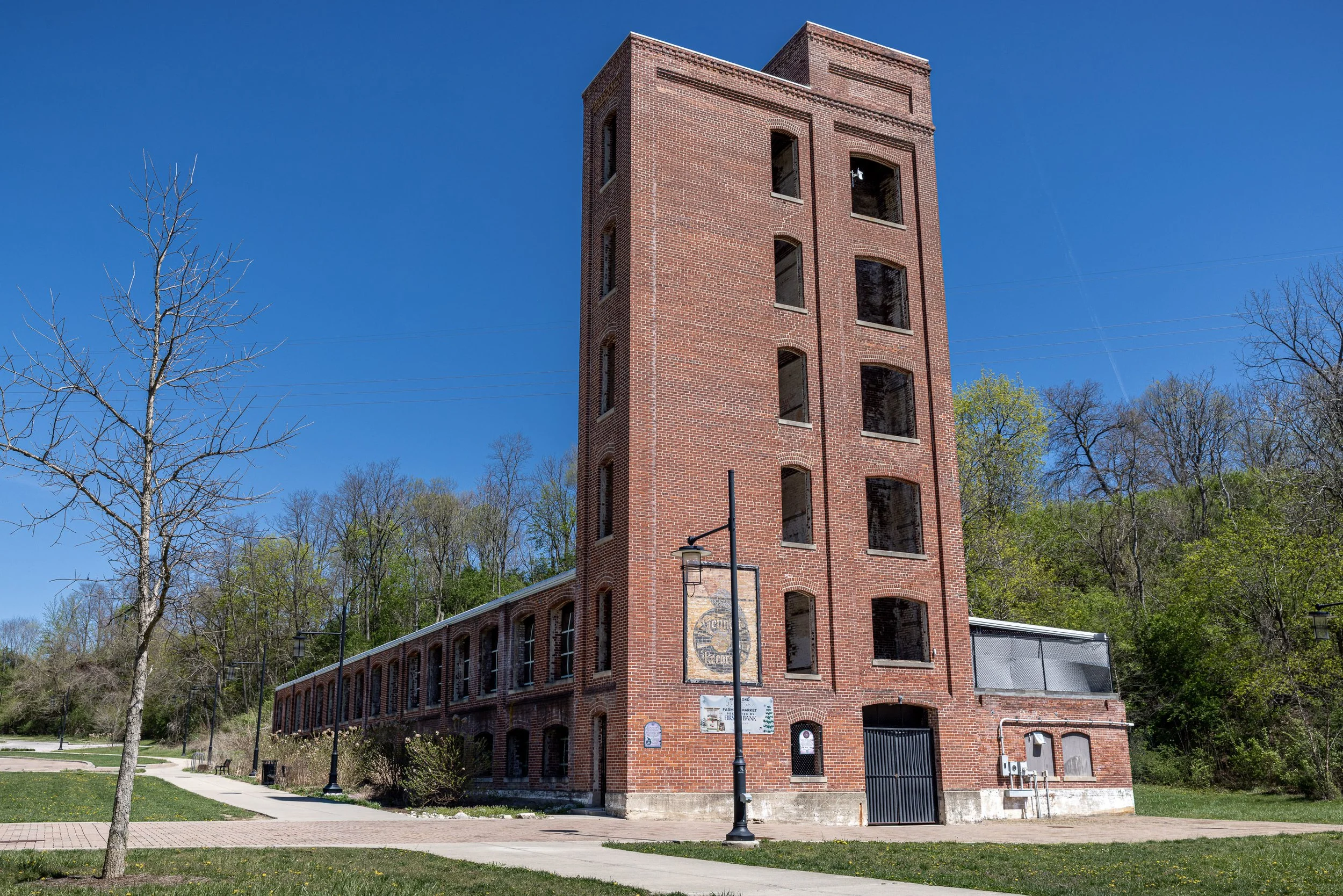
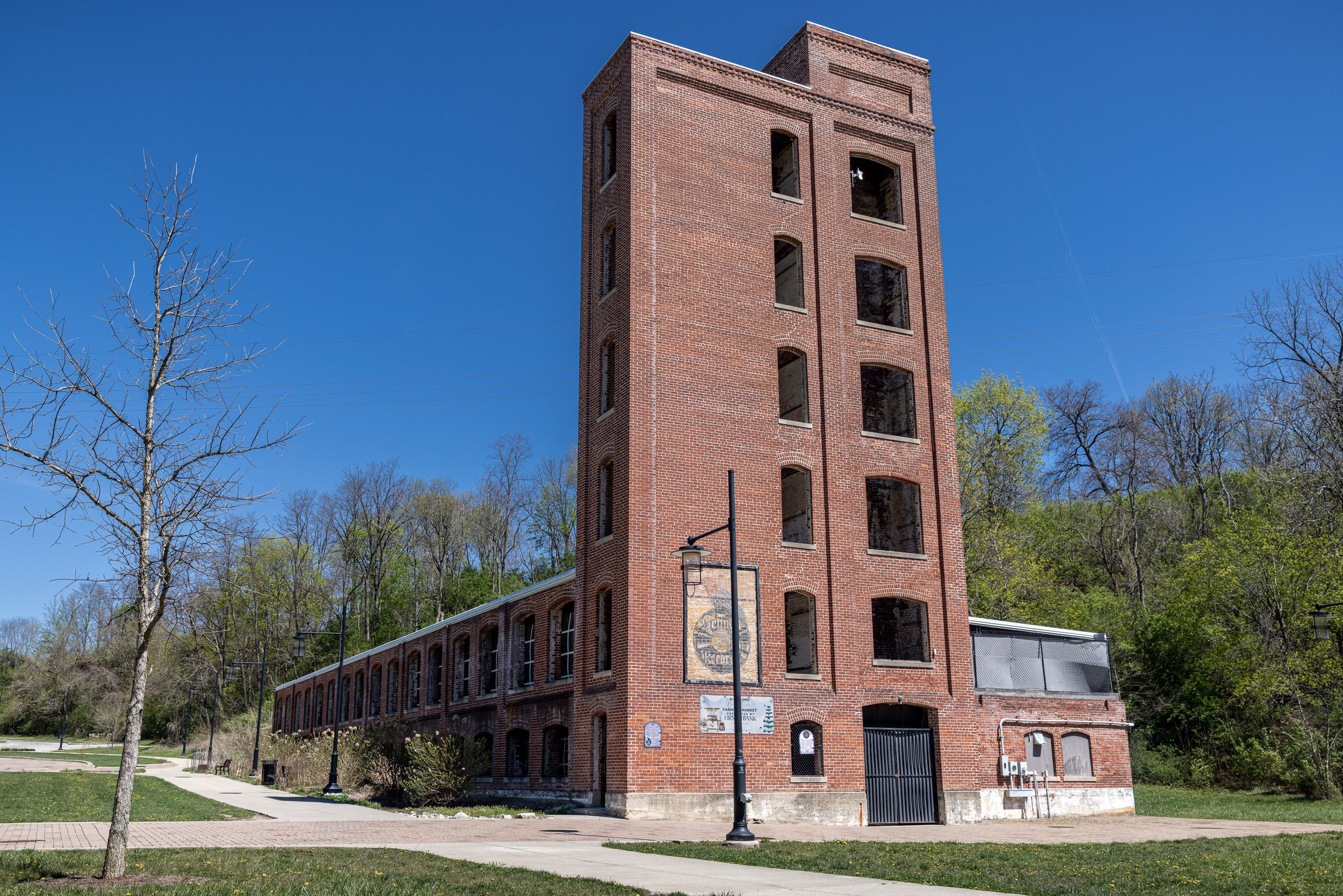
An abandoned brick tower rises beside a quiet trail in Richmond, Indiana. It is one of the last visible pieces of a factory whose most enduring legacy would have surprisingly little to do with pianos.
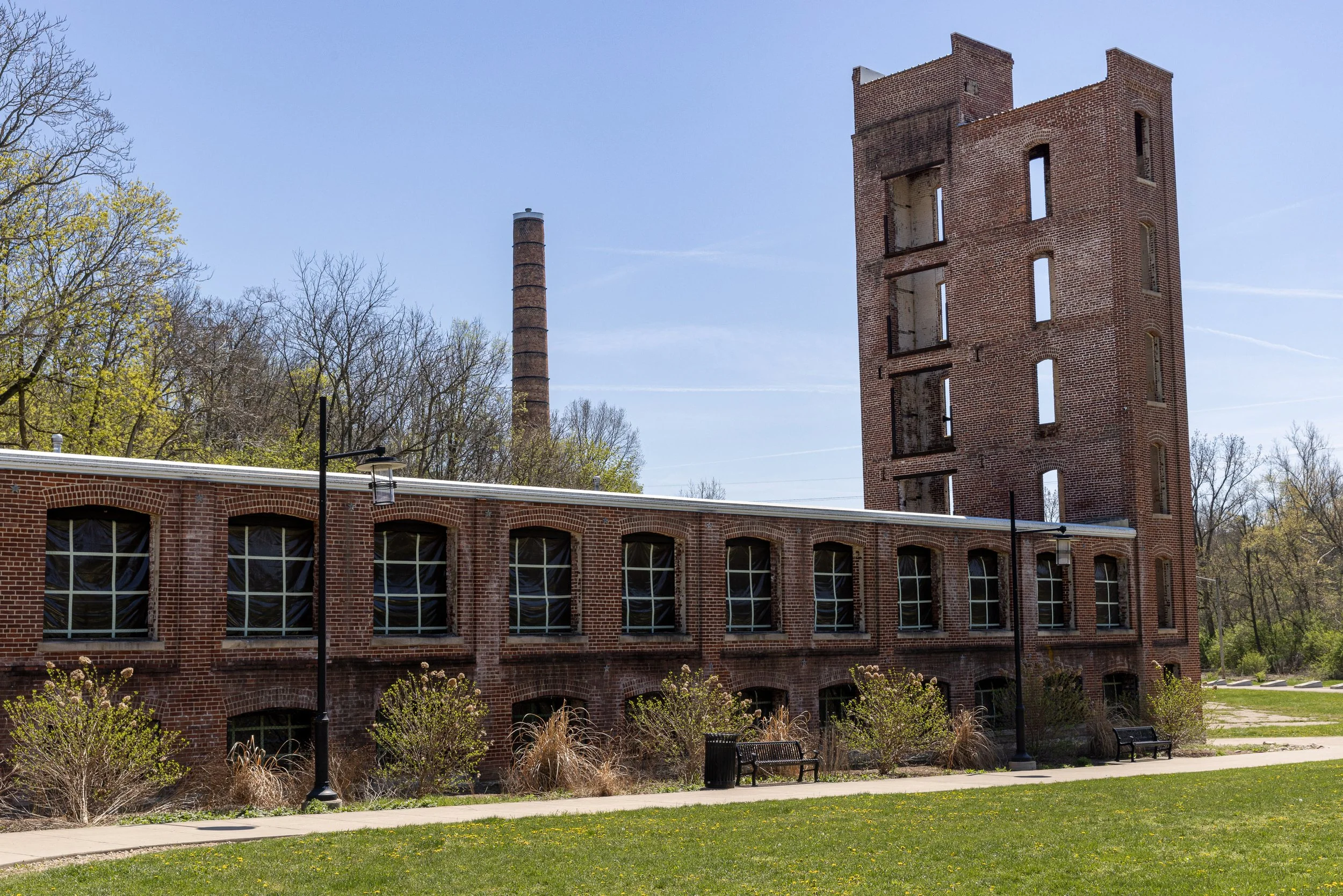
The surviving Starr Piano structures occupy only a fraction of the thirty-five-acre industrial complex once built along the Whitewater River. At its height, Starr ranked among the world’s largest piano manufacturers—but pianos were only the beginning.
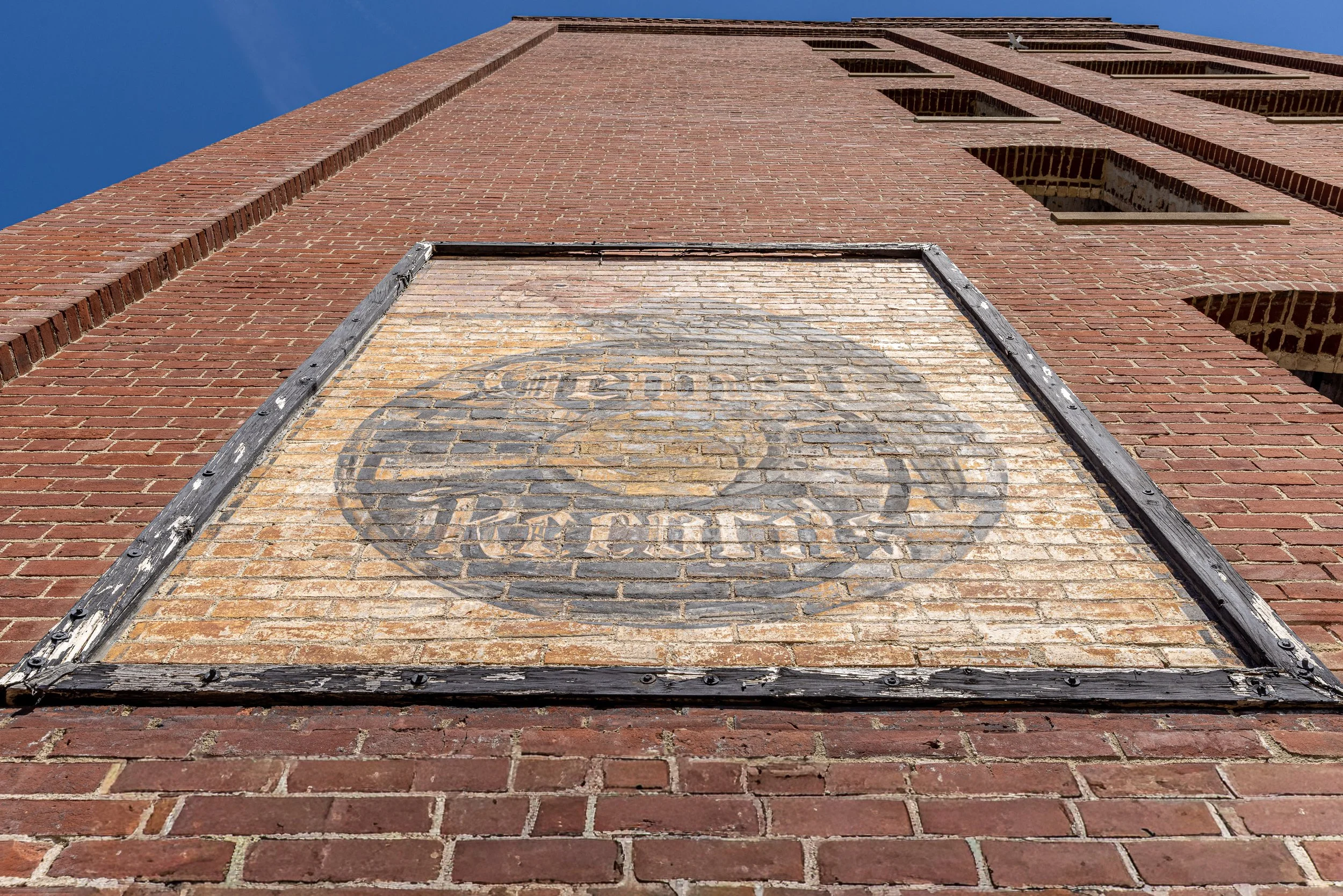
A faded Gennett Records logo still clings to the brick tower at the former Starr Piano grounds. The lettering is physical evidence that a company built around pianos and player pianos eventually entered the new world of recorded sound.

Railroad tracks still run beside the former Starr Piano grounds. In the 1920s, musicians came to Richmond by rail, and passing trains sometimes forced Gennett engineers to stop recording in the middle of a take.
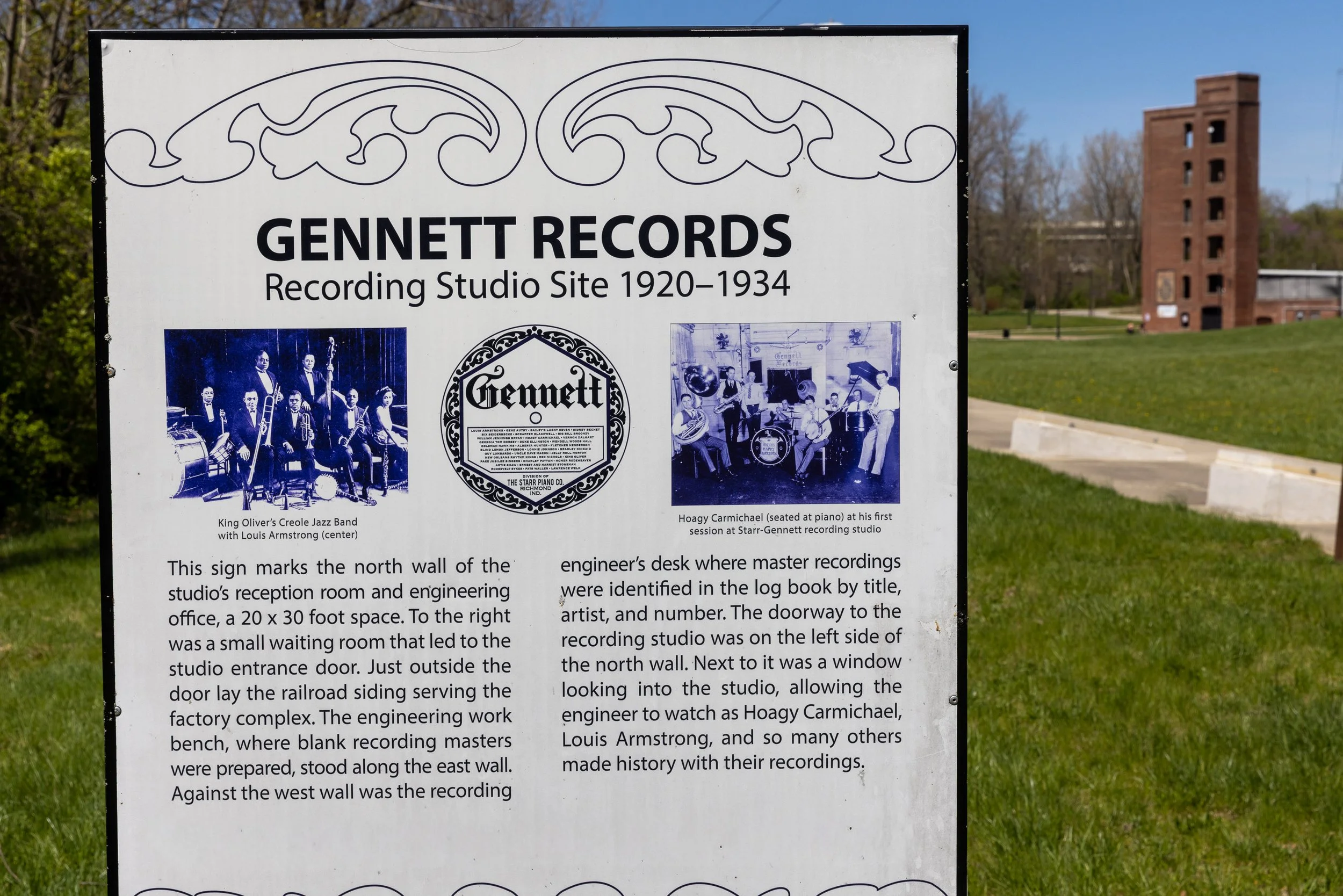
A marker identifies where Gennett’s studio occupied a converted lumber-drying kiln beside the tracks. Sawdust-packed walls and rugs hung from the ceiling helped turn an industrial room into one of America’s most unlikely recording spaces.
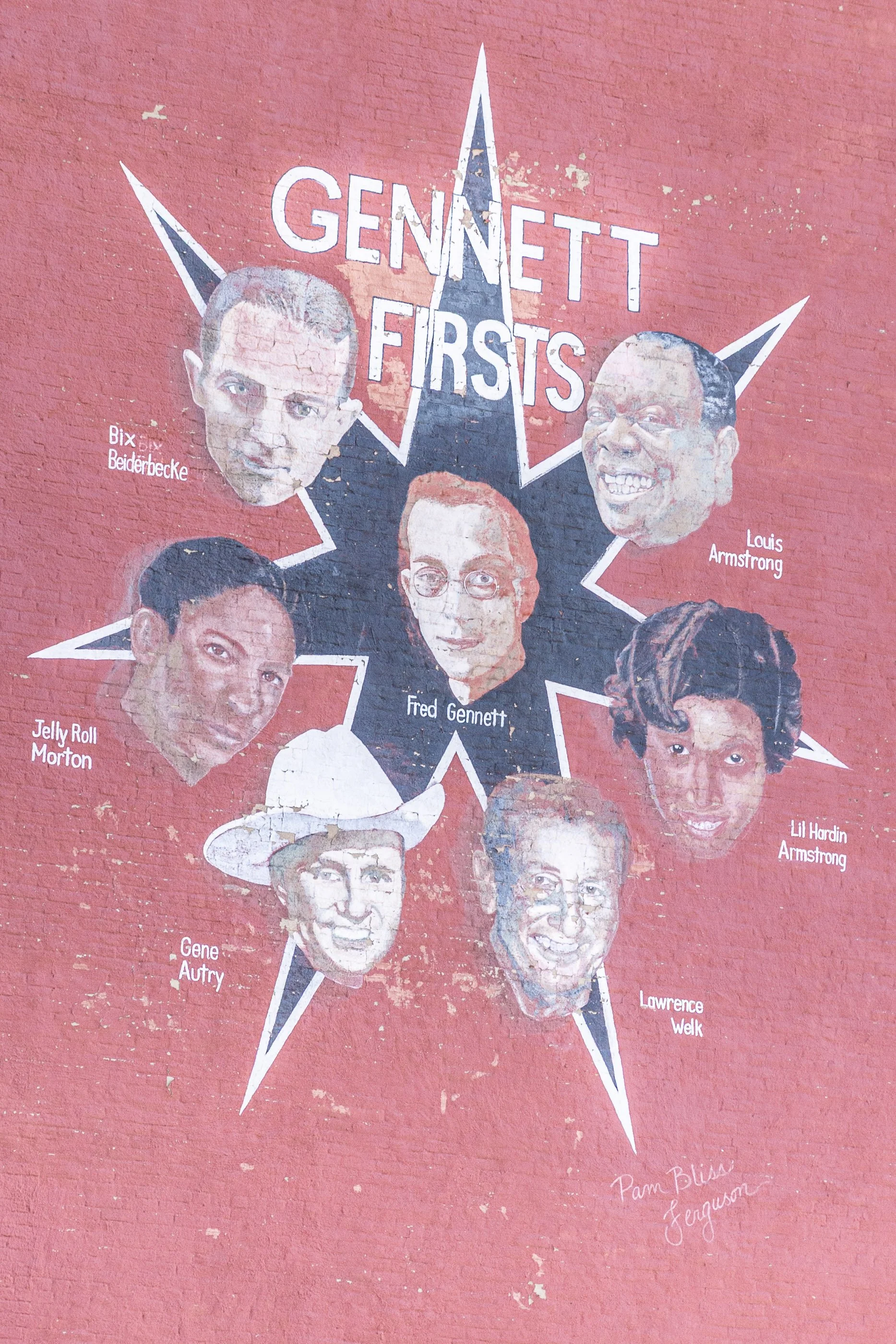
Richmond’s “Gennett Firsts” mural brings Louis Armstrong, Jelly Roll Morton, Gene Autry, and other artists together on one wall. Their unlikely connection is a small independent record label based in this Indiana factory town.
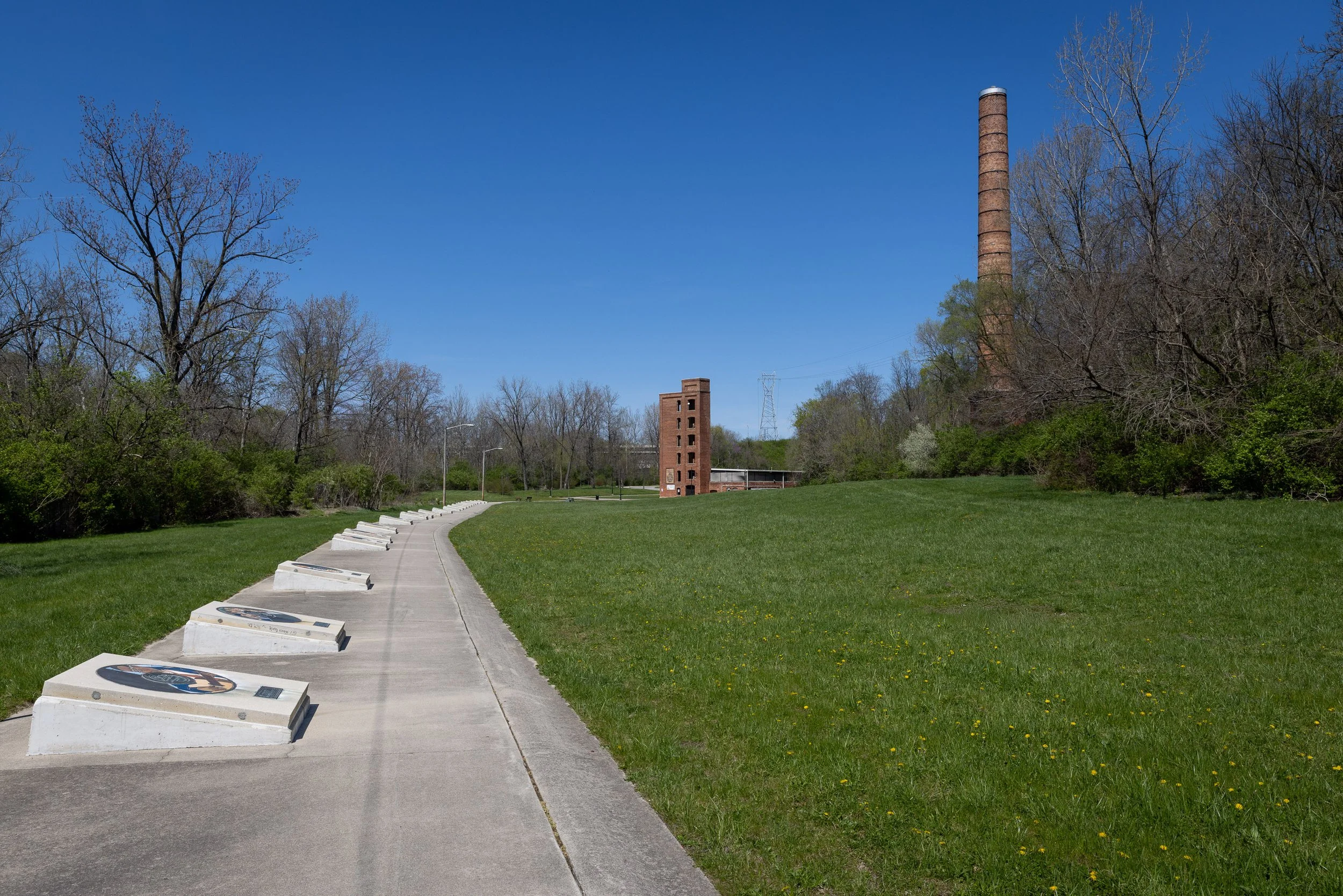
Record-shaped markers line the Starr-Gennett Walk of Fame through the former factory grounds. The path turns a vanished studio into a public map of American music, connecting Richmond’s industrial ruins to artists heard around the world.
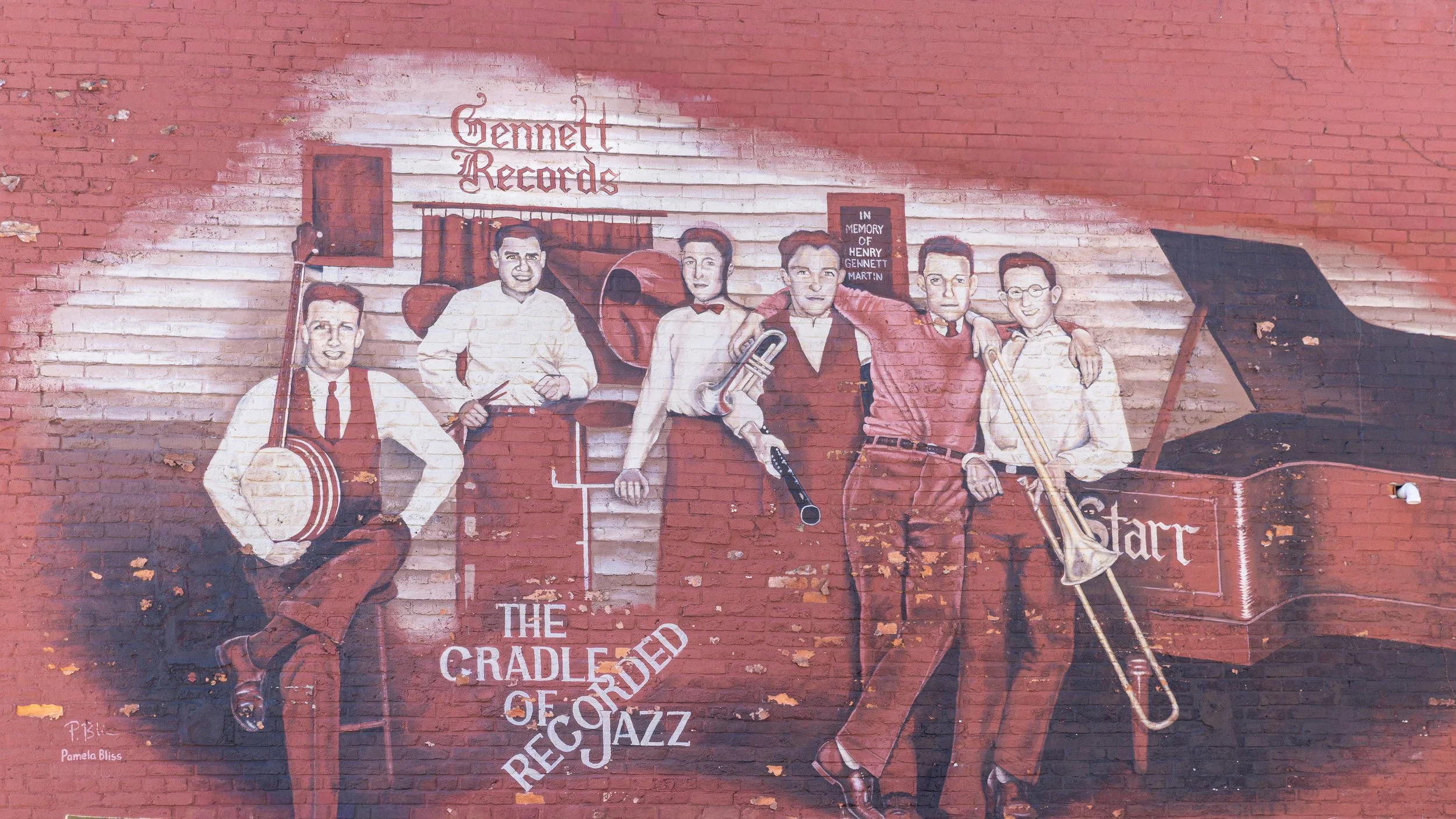
A Richmond mural calls the city “The Cradle of Recorded Jazz.” Jazz was not born here, but recordings made in a rough studio beside the railroad helped early performances reach listeners far beyond Indiana.
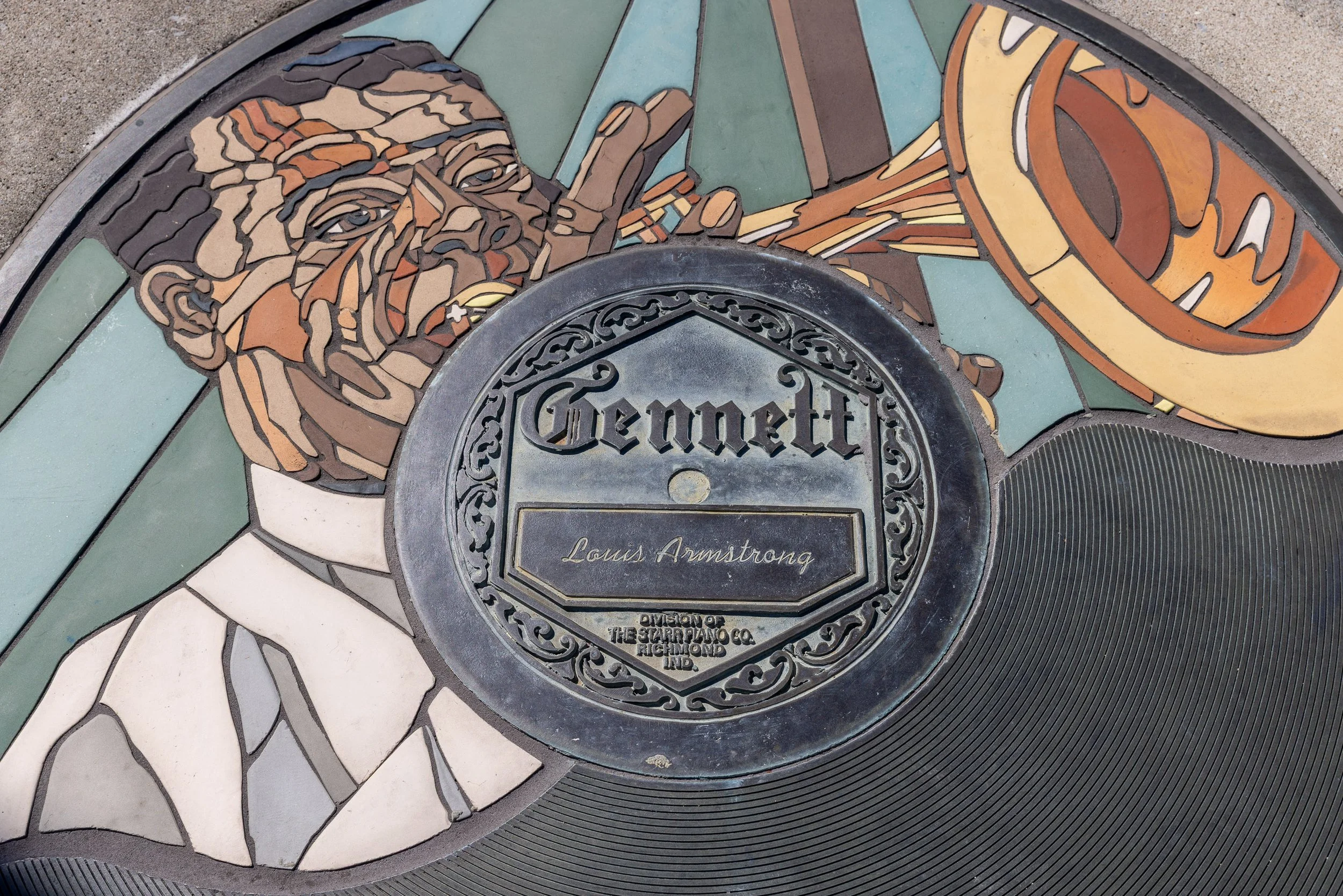
Louis Armstrong made his first recordings in Richmond in April 1923 as a member of King Oliver’s Creole Jazz Band. His marker honors a young sideman who entered Gennett’s modest studio before the world knew his name.
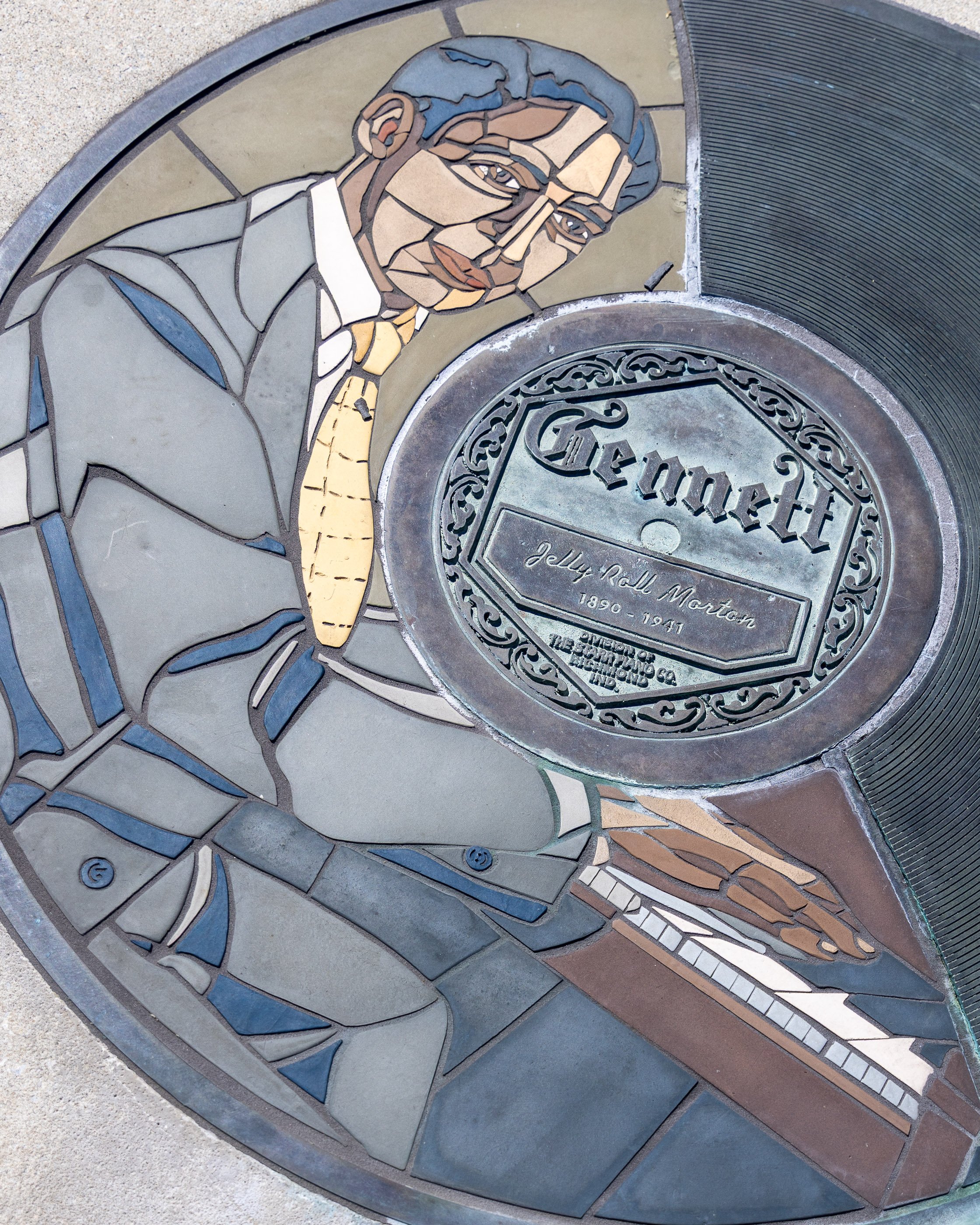
Jelly Roll Morton recorded for Gennett in Richmond in 1923, bringing one of early jazz’s most distinctive voices to the studio beside the tracks. His marker returns his name to the factory grounds where those performances were captured.
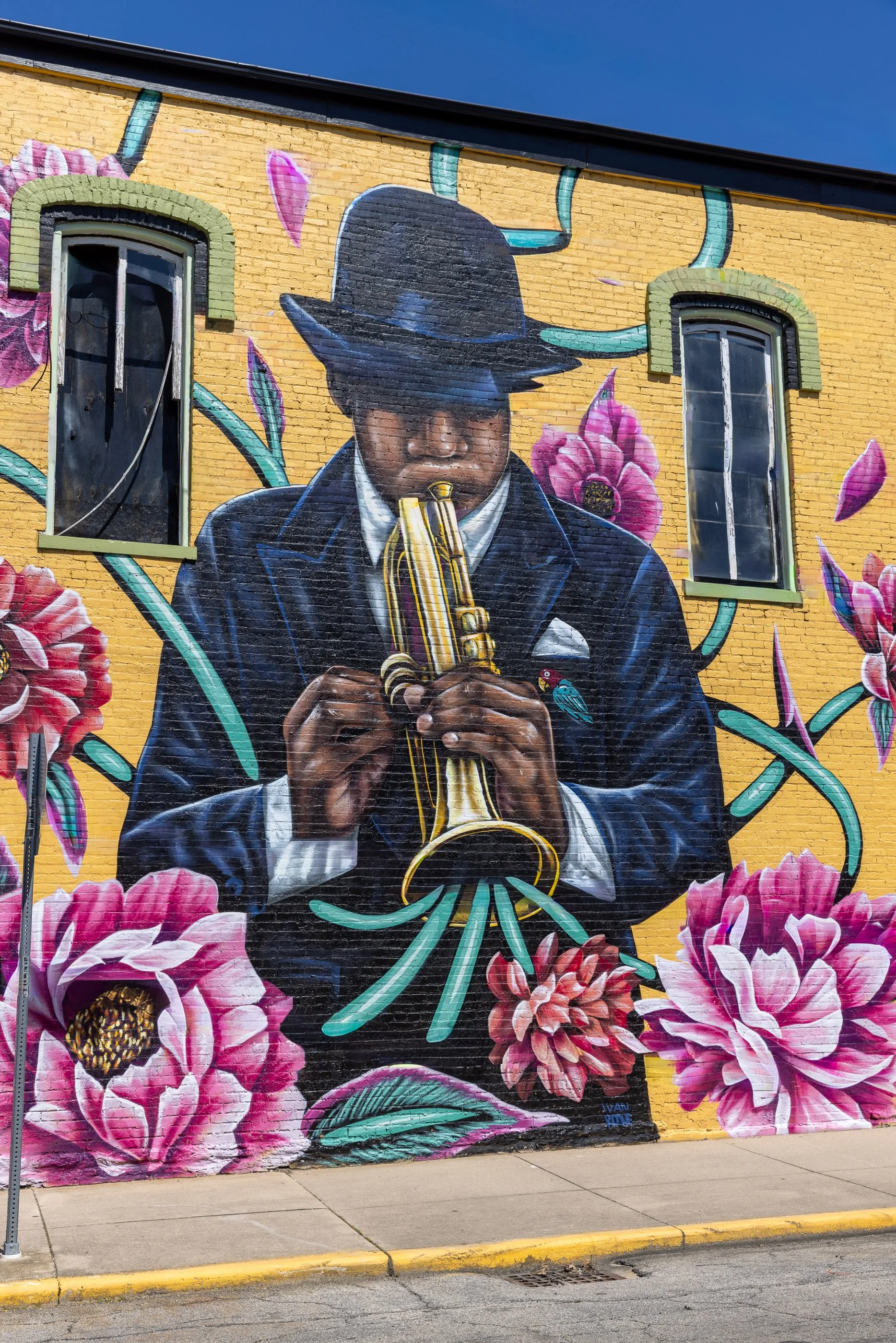
A trumpeter now fills a Richmond wall with color, more than a century after Gennett’s recording era began nearby. Most of the factory has disappeared, but its musical legacy remains visible across the city.
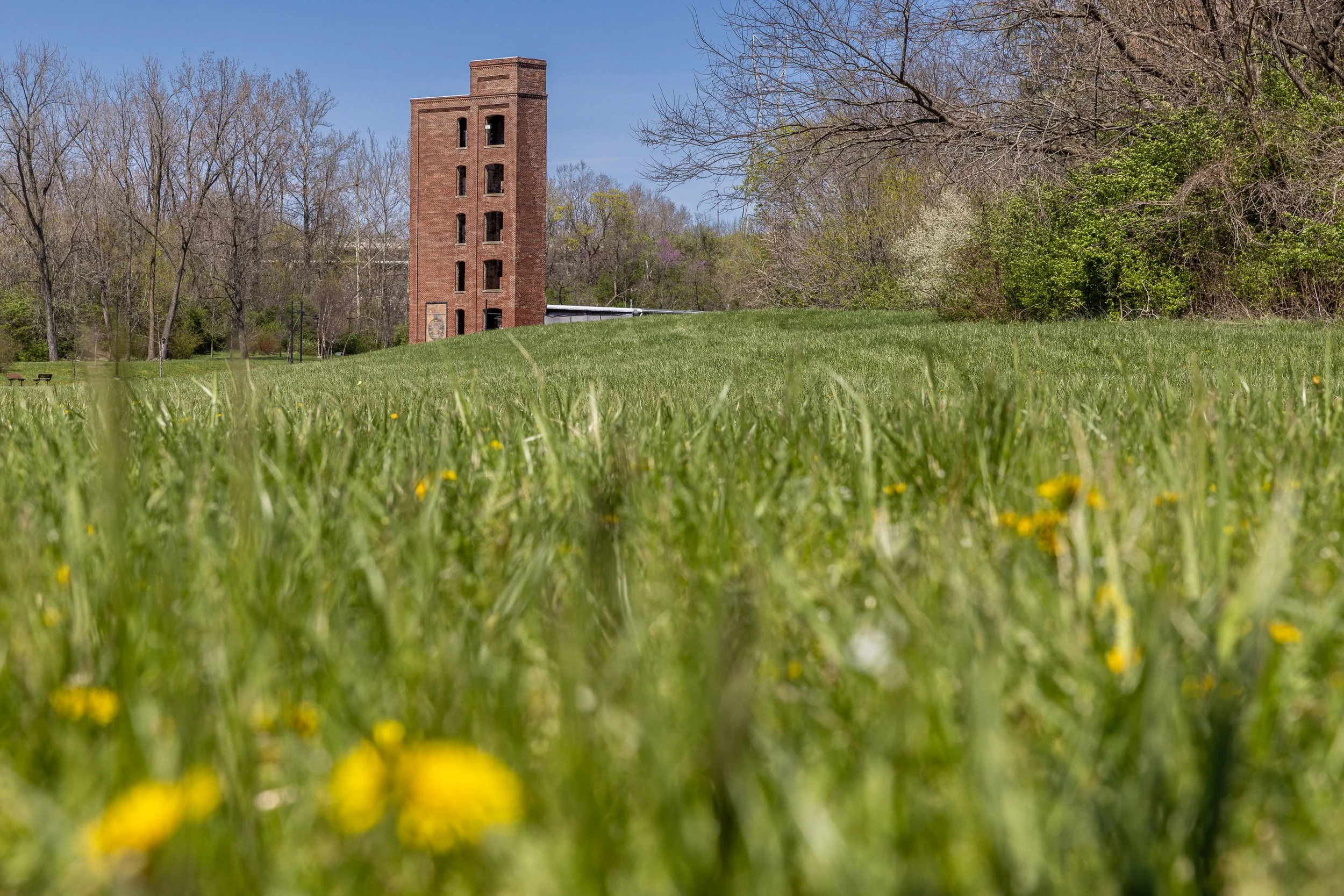
Wild grass and spring flowers now surround the surviving Starr Piano tower in Richmond. The peaceful landscape gives little hint that a thirty-five-acre industrial complex once filled this valley—or that music recorded here traveled far beyond it.
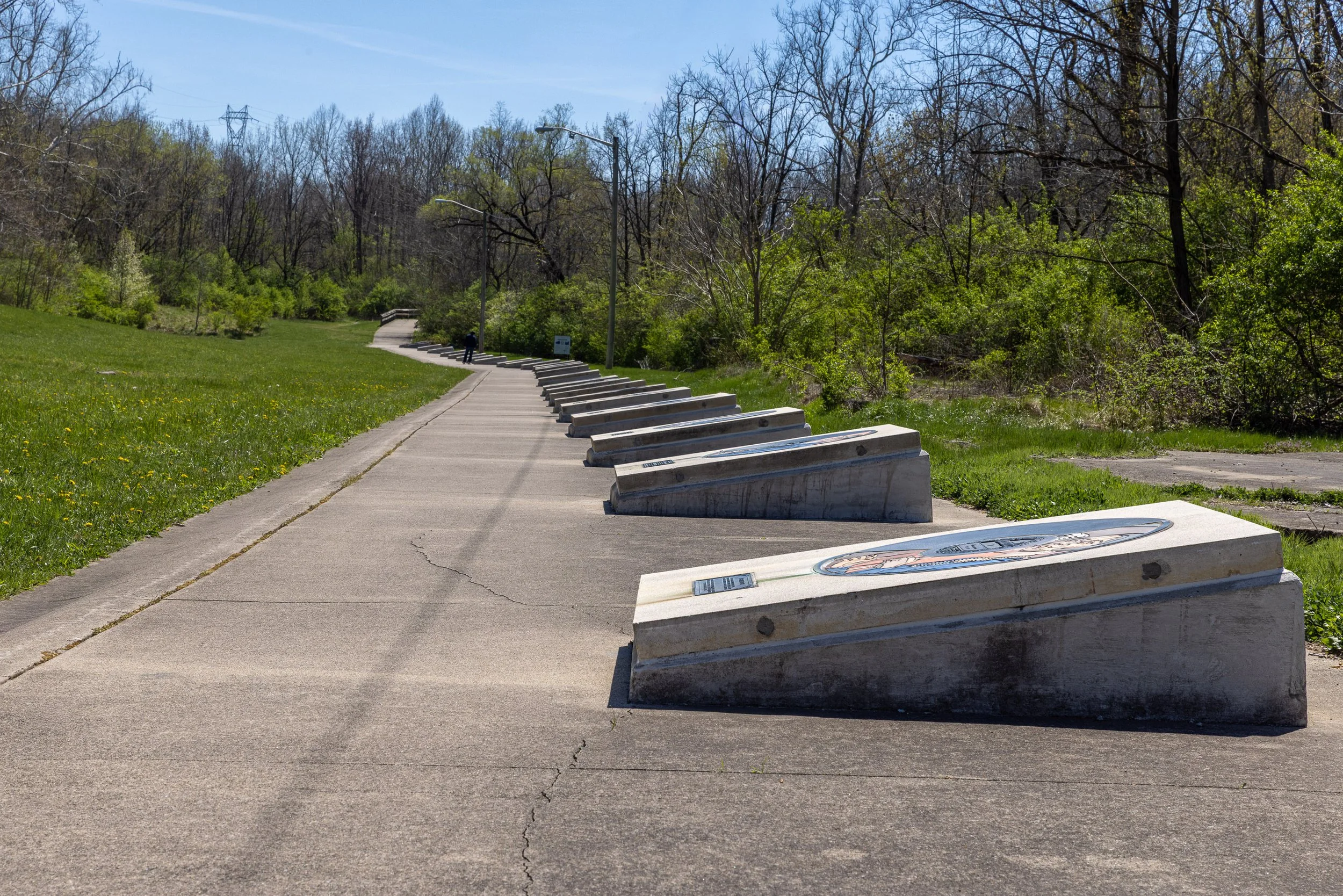
Concrete record markers follow a curving path through the former Starr Piano grounds. Each one names an artist recorded by Gennett, turning an emptied industrial landscape into a physical catalog of early American sound.
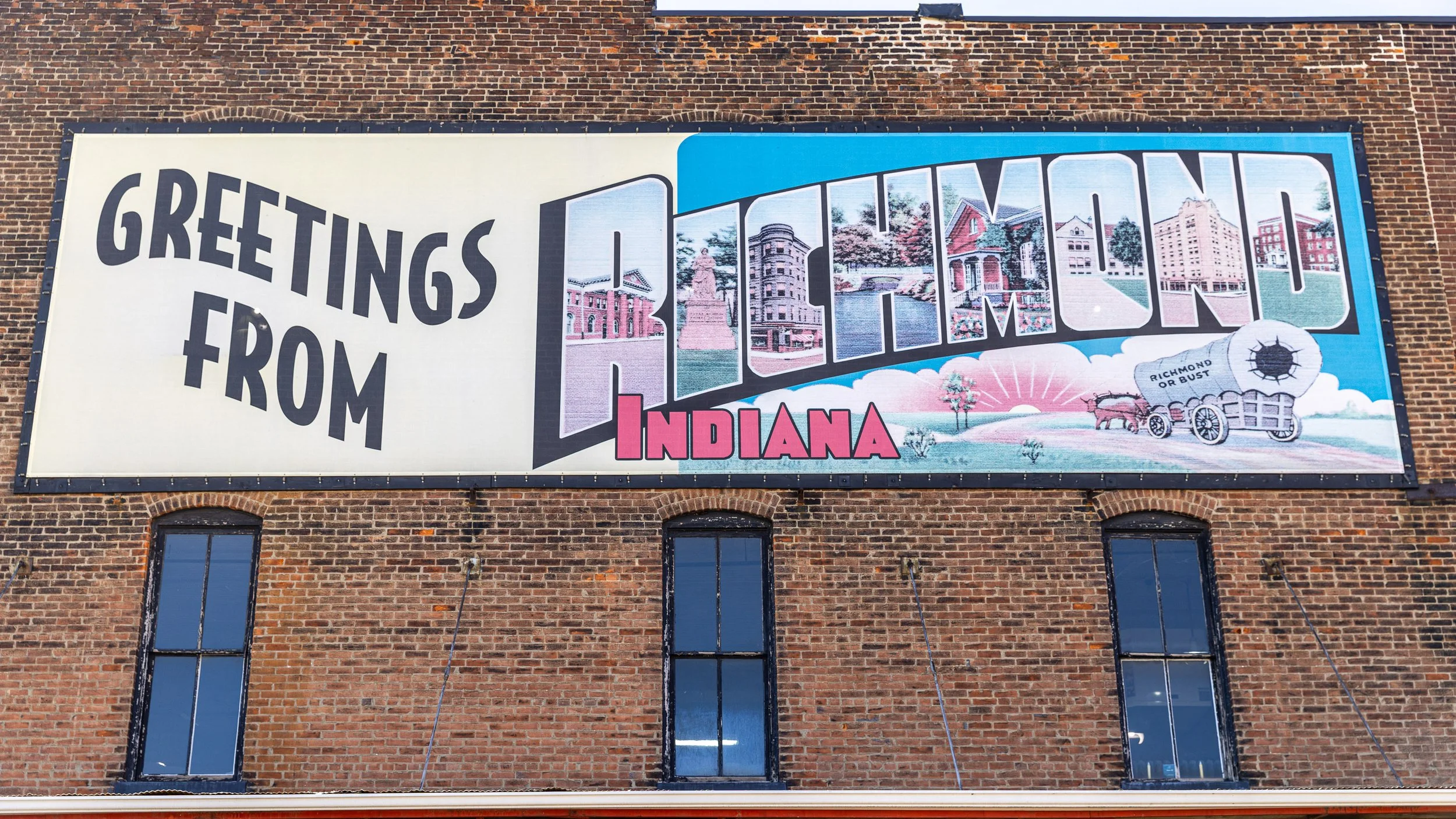
Richmond’s postcard-style mural fills each letter with landmarks drawn from around the city. Look closely and the cheerful greeting becomes a map of a place where industrial brick, civic memory, and an unexpected chapter of American music still overlap.

STORY BEHIND THIS PLACE
The photographs show this place as it exists today. Discover the decisions, people, and events that shaped it.